
Explore
ONE TECHNOLOGY. MULTIPLE PATHWAYS TO VALUE.
DISA Tech™ delivers scalable solutions that enhance recovery, streamline operations, and transform legacy materials into productive assets—across mining, remediation, and beyond.
MINERAL PROCESSING
MINERAL PROCESSING
Advanced mechanical liberation that improves recovery, reduces cost, and integrates seamlessly into existing operations.

Unlock higher recovery—without increasing grind intensity.

Integrate advanced liberation into your existing circuit—no rebuild required.

Improve throughput, energy efficiency and payable metal output with a fully mechanical process.
HPSA TECHNOLOGY IN ACTION
See how HPSA™ technology enhances liberation, improves recovery, and integrates seamlessly into an operating plant.
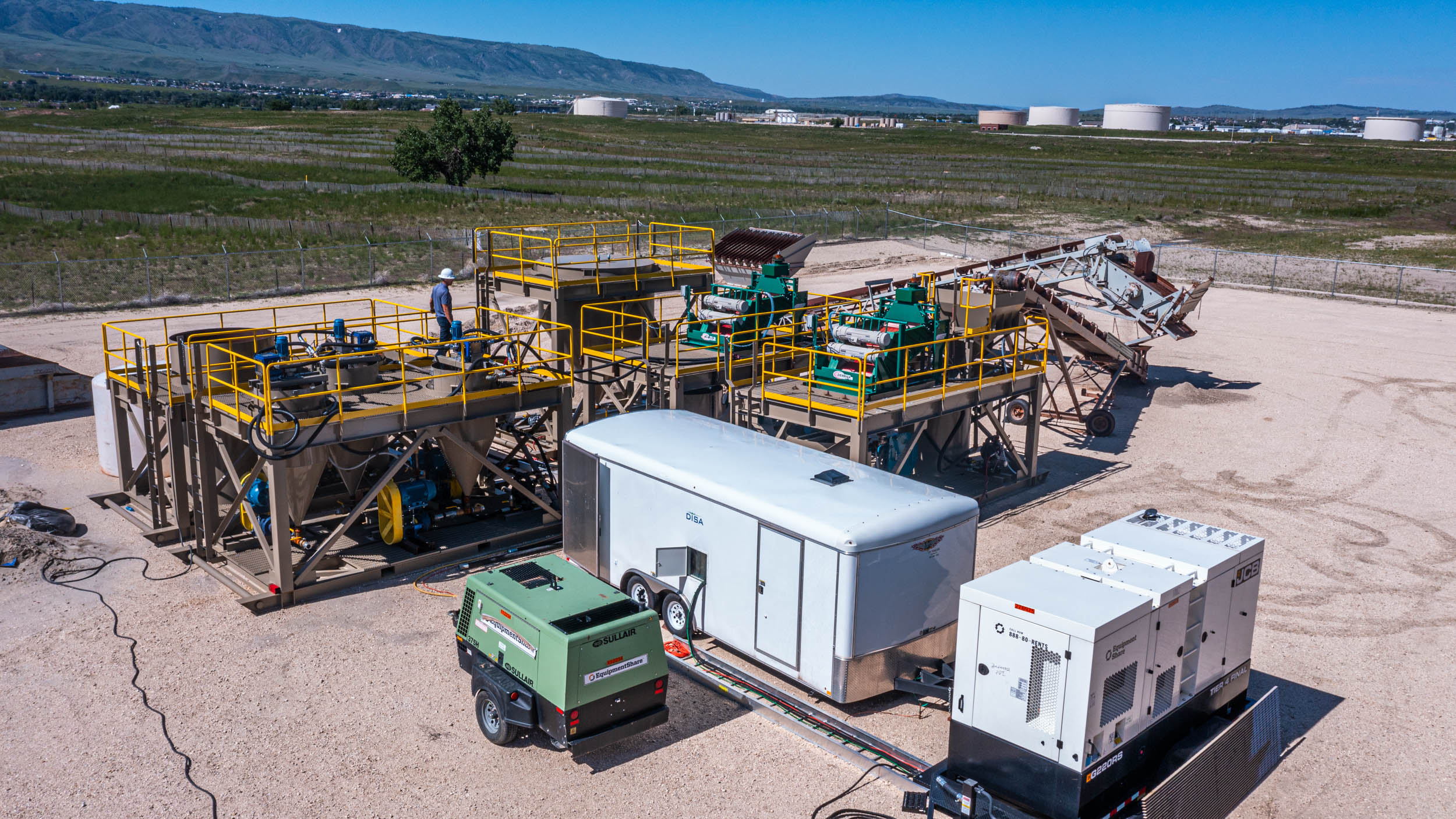
Every circuit is a balance of recovery, cost, and operational risk. HPSA technology improves that balance.
The HPSA platform enhances selective liberation at coarser grind sizes—reducing overgrinding, lowering energy use, and improving downstream recovery. By targeting mineral boundaries instead of indiscriminately shrinking particles, HPSA units increase concentrate grade while minimizing excess fines and reagent demand.
Measurable Impact
Increased recovery and payable metal output
Reduced energy intensity and wear costs
Greater flexibility with variable feed
Modular integration with minimal disruption
HPSA units are skid-mounted and plug-and-play—installed in weeks, not months—allowing operators to validate performance without major capital rebuilds.
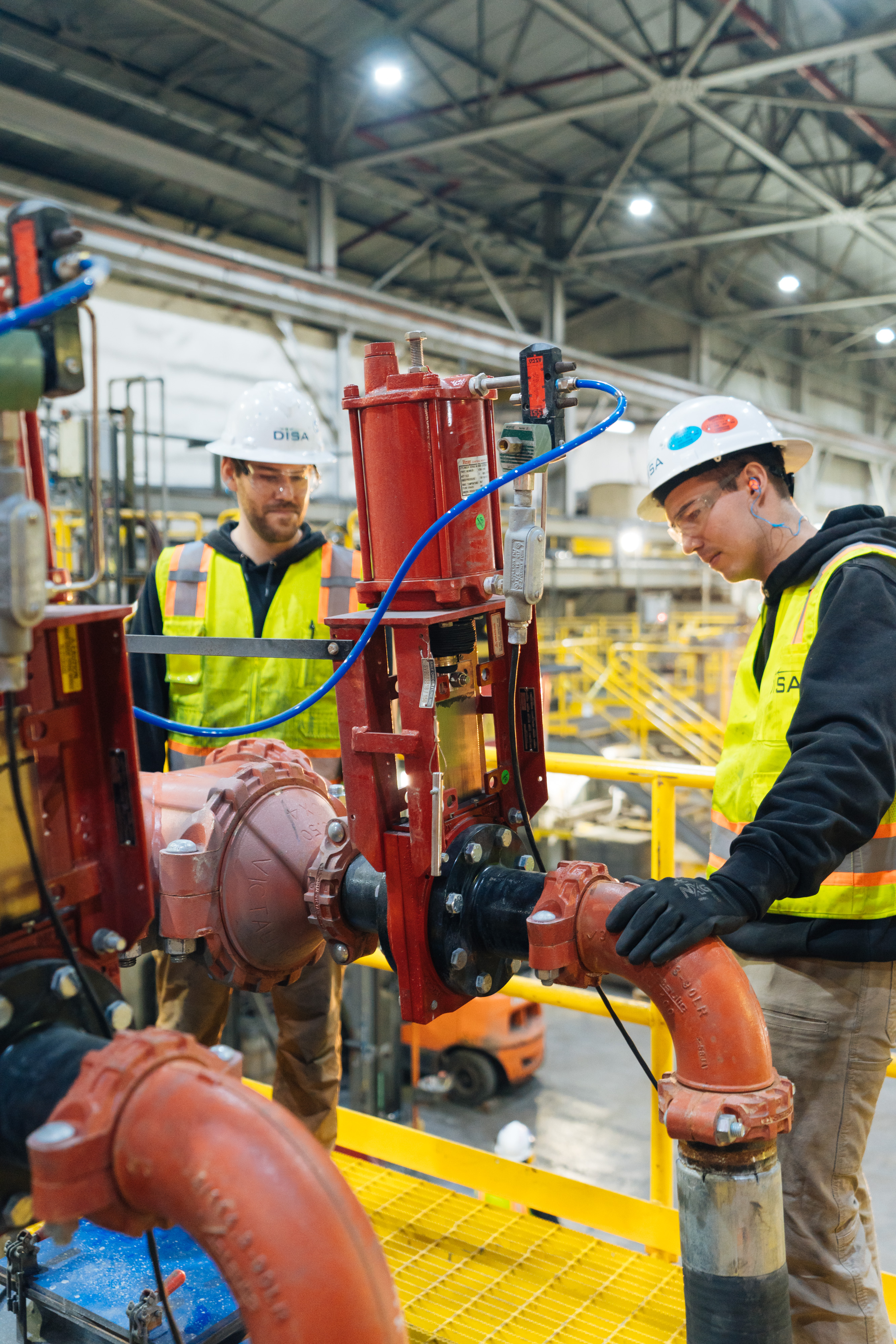
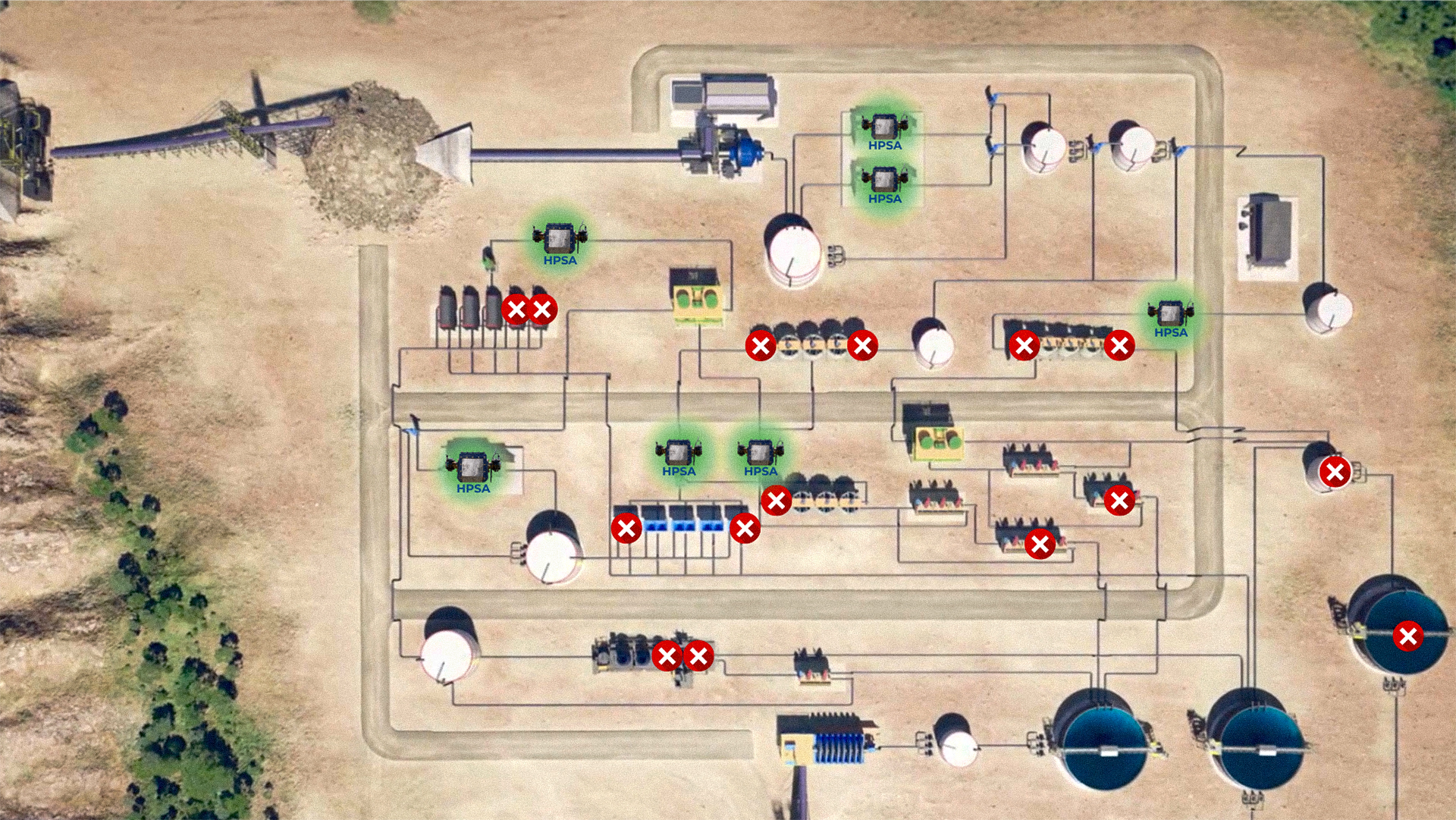
Seamless Circuit Integration
HPSA units can be deployed:
Ahead of flotation to enhance liberation
As a lower-energy regrind alternative
In tailings retreatment applications
For complex or challenging ore bodies
Our team works directly with site engineers to evaluate placement, model uplift and quantify impact before deployment.
PERFORMANCE
DEMONSTRATED PERFORMANCE AT COMMERCIAL & PILOT SCALE
Across more than 150 ore campaigns and commercial installations, the HPSA platform has delivered measurable improvements in grade, recovery, and operating efficiency across multiple mineral systems.
Recovery Improvements
+2% to +44% recovery gains demonstrated across sulfides, industrial minerals, and tailings systems.
Grade Enhancement
Up to +25% improvement in concentrate grade at coarser grind sizes.
Energy Intensity
3–10 kWh per ton operating range, with no grinding media.
Wear Cost
<$2 per ton in wear components.
System Uptime
95% operational availability with integrated bypass capability.
Recovery Improvements
+2% to +44% recovery gains demonstrated across sulfides, industrial minerals, and tailings systems.
Grade Enhancement
Up to +25% improvement in concentrate grade at coarser grind sizes.
Energy Intensity
3–10 kWh per ton operating range, with no grinding media.
Wear Cost
<$2 per ton in wear components.
System Uptime
95% operational availability with integrated bypass capability.
DEMONSTRATED ACROSS COMMODITIES
Results shown are derived from pilot and commercial testing across more than 150 ore campaigns.
Selective grain-boundary breakage enables preferential copper liberation
at coarser sizes (+10% liberation improvement)
+2–11 point recovery improvement with stronger flotation performance across coarse and fine fractions
Enables coarser grind while reducing recirculating load, grinding demand, and improving flotation kinetics
Removes carbonate coatings on phosphate and cleanly liberates potash while limiting fines creation of targeted minerals
+15% P₂O₅; ~50% MgO reduction
Reduces acid consumption and drives significant value at production scale
Surface cleaning preserves flake size while enabling coarse, non-destructive liberation
Up to +56% grade improvement with comparable or improved recovery
Reduces flotation stages, lowers OPEX and CAPEX, and improves product quality
Surface cleaning enables coarser liberation with reduced fines generation
+20% recovery increase with improved flotation performance
Eliminates aggressive attrition and regrind requirements while improving downstream efficiency
Liberates REE minerals into fine, recoverable fractions with increased exposure of target minerals
Up to +51% concentration increase with improved recovery potential
Enables efficient downstream liberation and unlocks value from complex ores and tailings
Selective inter-granular fracture enables liberation at coarser, optimal size ranges
+6–15% Fe grade increase with reduced silica and sulfur
Enables DRI-grade concentrate while reducing energy, slimes, and increasing throughput and gangue rejection
Redistributes gold into fine, liberated fractions with improved exposure and minimal size reduction
~50% shift of gold into recoverable fractions with higher concentration in fine fractions
Unlocks previously unrecoverable gold while improving recovery without additional grinding
Liberates moly from quartz and gangue
+26% grade increase with reduced quartz content
Improves concentrate quality and cleaner circuit performance
Removes surface coatings without reducing particle size
Improved coating removal while maintaining or improving product quality
~3× lower energy than attrition with reduced processing cost
Liberates chromite and associated PGMs with minimal size reduction
Achieves effective liberation where conventional methods struggle
Reduces energy and improves overall efficiency
Liberates REE minerals into fine, recoverable fractions
Improves concentration for downstream liberation
Unlocks value from coal waste streams while enabling secondary REE recovery
TAILINGS
RECOVER VALUE. IMPROVE STABILITY. REDUCE WASTE.
Tailings often contain recoverable value due to incomplete liberation in legacy circuits. HPSA technology provides a modular, mechanical pathway to unlock that value—without overgrinding or major infrastructure changes.
HPSA Technology for Tailings
— Selective mechanical liberation to unlock residual mineral value
— Improved grade and recovery without excessive fines generation
— Coarser, more stable tailings enable innovative disposal methods and faster water recovery
— Lower energy and wear than conventional regrind systems
— Direct integration into existing tailings streams
— Skid-mounted, modular deployment with minimal site modification
In partnership with Regeneration and ElementUSA, HPSA technology is applied to reprocess tailings and unlock residual value.


TESTING & VALIDATION
FROM BENCH SCALE TO COMMERCIAL DEPLOYMENT
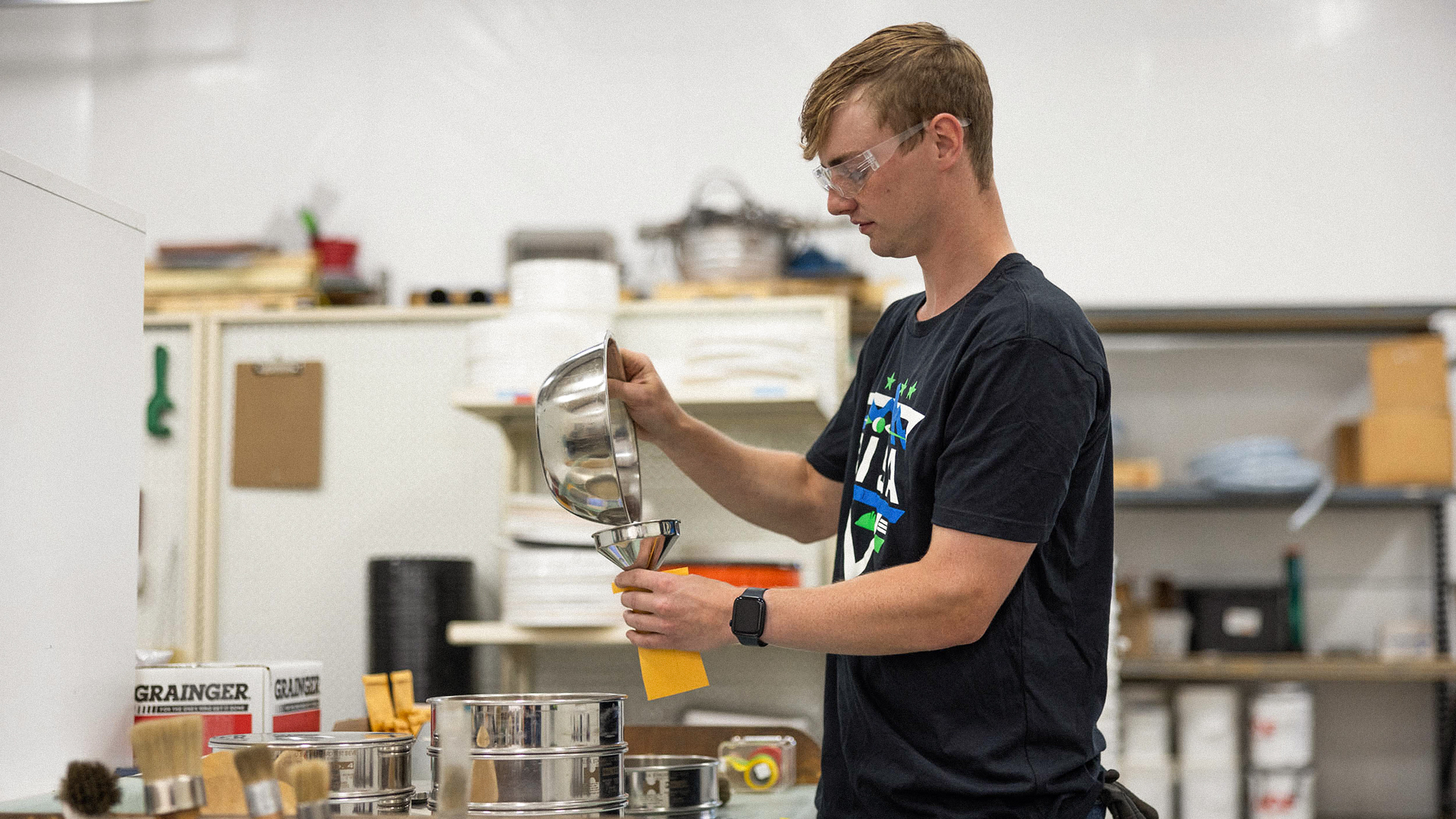
Every site is different. Every ore body behaves differently. Every remediation project carries unique constraints. DISA maintains comprehensive in-house testing and analytical capabilities to evaluate material characteristics, optimize HPSA deployment, and quantify performance improvements before field integration.

We do not guess. We measure.
Sample Blending
& Splitting
Drying
Crushing
Pulverizing
Particle Size Distribution Analysis
Sieving
Ball & Rod Milling
Bond Work Index (BWi)
Additional Testing
& Analysis
Pyrometallurgy & Hydrometallurgy
Sands Analysis
Atterberg's Limits
Specific Gravity
Elemental Analysis- XRF, FAA, CVAA, ICP-OES, Radiochemical
Mineralogical Analysis- XRD, QEMSCAN, MLA/AMICS by SEM, Optical Microscopy
Physical Beneficiation & Liberation
Froth Flotation
Gravity Liberation
Magnetic/ Electrostatic Liberation
Solid/ Liquid Liberation
High-Pressure Slurry Ablation
Attrition Scrubbing